CV | Google Scholar | Yale | Email
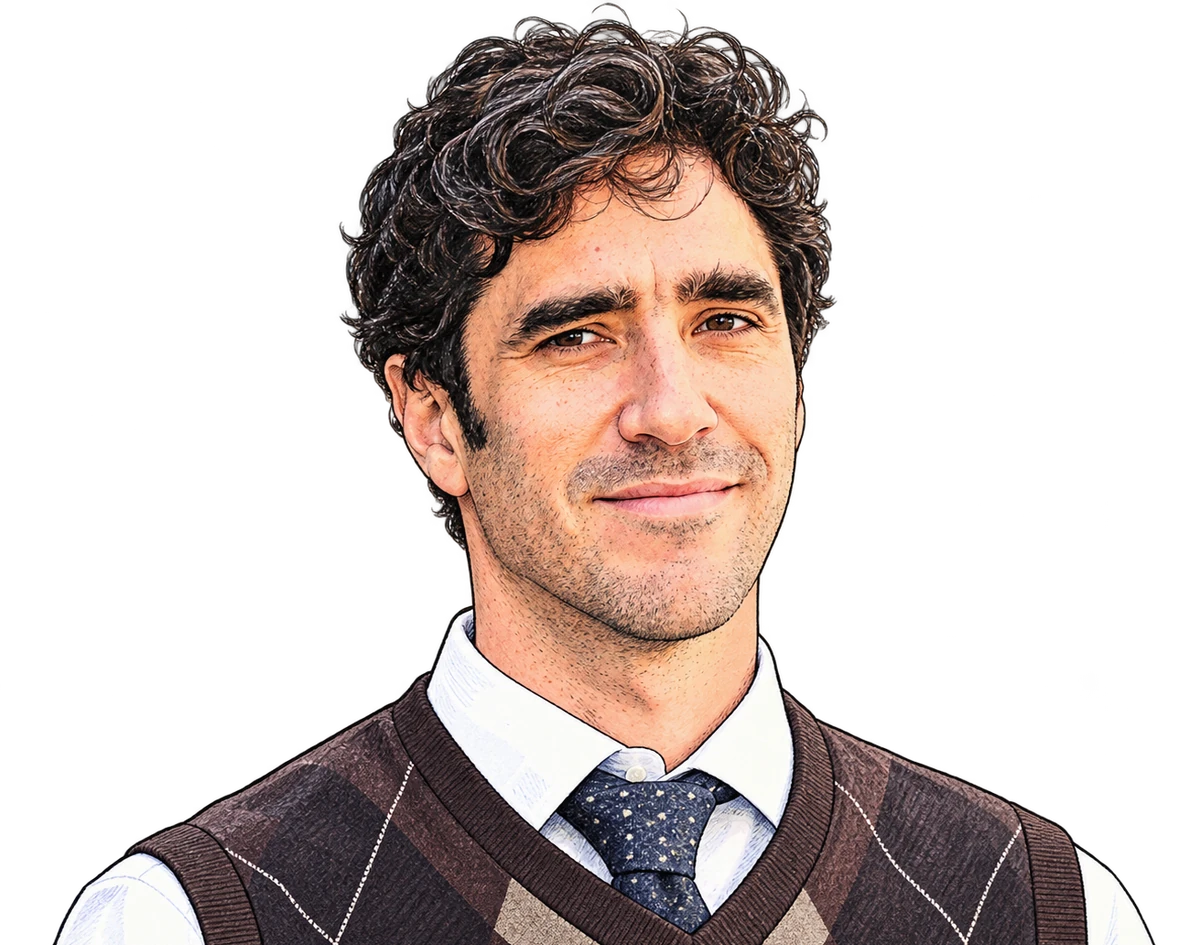
I’m a health economist and Associate Professor at the Yale School of Public Health, where I study the economics of public insurance.
My research grows out of close partnerships with state agencies and the questions they face about how to make the safety net more effective. I currently have projects focused on Medicaid managed care and public procurement, administrative burdens in the safety net, the economics of long-term services and supports, and using randomization to improve the Medicaid and SNAP programs.
My work has appeared in leading economics and clinical journals including the American Economic Review and the New England Journal of Medicine, and received the Willard G. Manning Award for the Best Research in Health Econometrics and the American Statistical Association’s Outstanding Statistical Application Award. It has also been covered by the media, including the New York Times, Washington Post, and NPR.
Before academia, I served as a Medicaid policy analyst for New York State, worked as a data scientist in Silicon Valley, and co-founded Young Invincibles, an advocacy organization for young adults. I earned my undergraduate degree at Swarthmore College and my PhD at Harvard University.
I live in New Haven with my wife, our two kids, and our dog. When I’m not working, you can usually find me on a tennis court or, more recently, learning to surf. I’m reading Barbarian Days: A Surfing Life by William Finnegan.
Recent research